


Radar GO-X: HUD, GPS, Maps
4.1970.00 Reviews
App Specs
- Version
- 5.5
- Updated On
- License
- Free
- Downloads
- 10,000,000+
- Developer
- Mor Tosbaa Mobile
- Categories
- Maps & Navigation
- Platform
- Android
Screenshots
 Analysis by AppCompare
I’d judge a driving app less by how many tools it puts on the screen and more by whether I can use it calmly, without treating its alerts as unquestionable. Radar GO-X: HUD, GPS, Maps brings together navigation, a speedometer, a heads-up display and camera-related alerts, which makes it appealing for drivers who want several road tools in one place. I would still treat it as a helper, not a replacement for paying attention to signs, road conditions or the rules where I’m driving.
That distinction matters because radar and speed-camera information can be useful, but it is not a guarantee that every alert is current or relevant to the road in front of you. I’d use the app to support a journey, not to decide how fast to drive or whether a road is safe. Its developer is Appwest Limited, and the app sits in the maps and navigation category, with a broad mix of features rather than the narrow focus of a simple turn-by-turn map.
What I would check before relying on it
Before setting off, I’d take a quiet moment to explore the available screens and options while parked. That is a practical way to learn where the speedometer, navigation and HUD controls are, rather than trying to figure them out at a junction. I would also check whether the display is readable in the conditions I expect to drive in and whether the alert style suits me. A tool that demands repeated glances is a poor fit, even if it offers plenty of information.
For a driver who already uses a familiar map app, Radar GO-X makes most sense as a secondary road companion: something to try for its HUD and camera-alert focus, while keeping the established navigation routine available if needed. I wouldn’t assume that every feature works the same way in every location or that its alerts can replace local road signs. If I’m driving somewhere unfamiliar, I’d plan the route before leaving and avoid making last-second decisions based on a notification.
Features that Make You Go "Wow!"
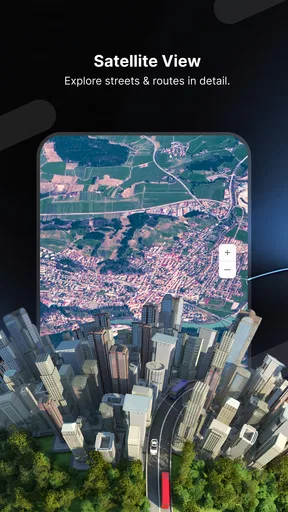
Radar GO-X: HUD, GPS, Maps is packed with features that are designed to keep you on track. The first thing you'll notice is its sleek and modern interface. It's intuitive and easy to use, so even if you're not tech-savvy, you'll get the hang of it in no time. The app offers real-time GPS navigation, ensuring you're always on the right path. Plus, the maps are constantly updated, so no more driving into dead ends!
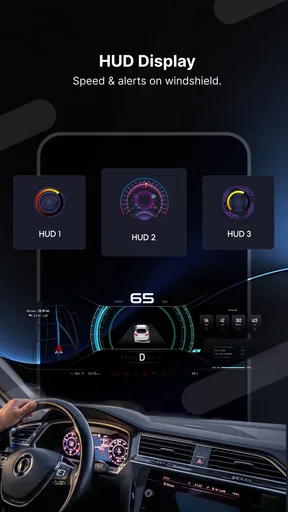
One of the coolest features has to be the HUD (Head-Up Display) mode. If you're anything like me, you probably struggle to keep your eyes on the road while checking your phone for directions. With the HUD mode, the app projects navigation information directly onto your windshield. It's like something straight out of a sci-fi movie and keeps your focus where it needs to be—on the road.
Why It's a Game-Changer
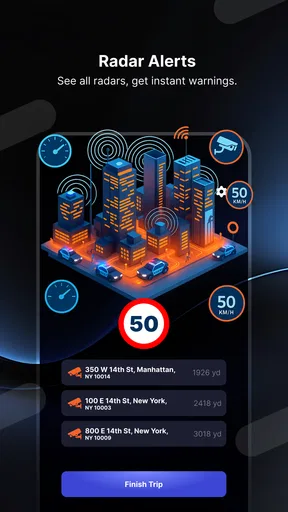
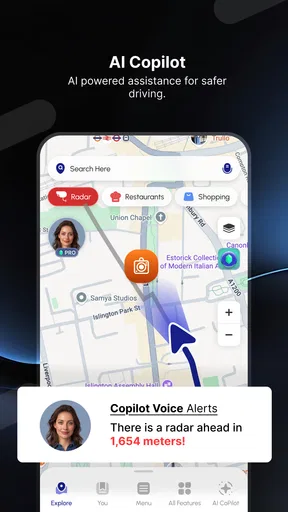
The app also comes with a built-in radar detector, which, if you're a speedster, will become your new best friend. It alerts you to speed cameras and traffic jams, so you can avoid those pesky speeding tickets and save some time during your commute. The voice-guided navigation is another nifty feature. It’s like having a co-pilot that never gets tired or gives you wrong directions!
Worth Reading Before You Choose

Flipboard Shows What News Apps Must Do Beyond the Feed

Switching to Android Auto Means Rethinking Your Driving Routine

Google Calendar Makes a Crowded Week Easier to Manage

Ludo King Makes the Most of the Minutes Between Plans

Baby Panda World Brings Quick Play to Modern Phones, but Its Game Library Feels Busy

ESPN’s Live Game View Makes Following Close Games Easier
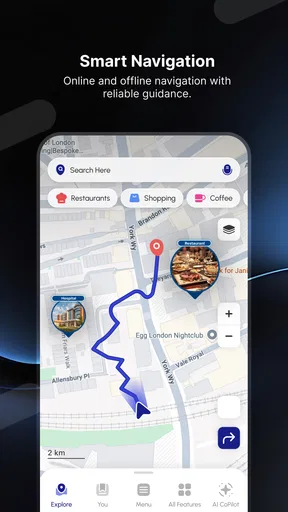
And if you're someone who loves exploring, the app's offline maps feature is a godsend. You can download maps for any area before you set off, so even if you find yourself in a no-signal zone, you'll never be lost.
Choosing where it fits into your routine
For an everyday commute, the useful question is not whether to watch every alert but whether the app makes the trip easier to manage. I’d set the route while stationary, start the guidance before pulling away, and let voice prompts do most of the work. The speedometer can be a quick reference, but I’d keep my attention on the car’s instruments and posted limits. That approach keeps the screen from turning an ordinary drive into a stream of distractions.
A realistic use case is a weekend drive through an unfamiliar area: I could prepare the route at home, save an offline map for a stretch where reception may be unreliable, then use spoken directions rather than repeatedly checking the phone. If the HUD suits the vehicle and lighting, it may make a glance at upcoming guidance easier. I would test that setup while parked first; windshield reflections, phone placement and bright daylight can affect whether a projected display is actually convenient.
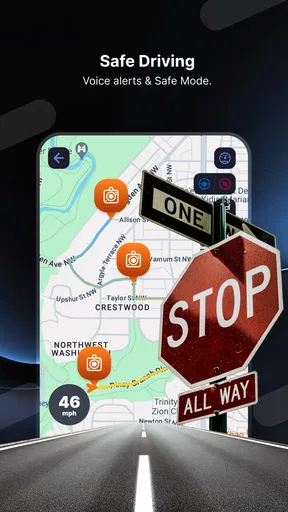
For another driver, the best use may be as a speed-awareness companion on a familiar route. Camera alerts can remind me to pay attention, but they should never encourage braking abruptly or chasing the app’s interpretation of a limit. If an alert conflicts with a road sign or the conditions, the sign and safe driving take priority. That is the most important trade-off with any camera-focused navigation tool: a warning is useful only when it supports sound judgement.
How it compares with a standard map app
Compared with a conventional navigation app, Radar GO-X’s draw is the combination of driving-oriented features—especially its HUD, speedometer and camera alerts—rather than maps alone. A standard map app may be the more straightforward choice if I mainly need route planning and familiar directions. I’d consider Radar GO-X when I specifically want those extra road-focused tools, but I wouldn’t expect one app to be best at every navigation task simply because it has more features.
The practical way to compare them is to try the same regular journey when you are not in a hurry. Notice whether the route is easy to follow, whether the spoken guidance arrives at useful moments and whether the extra alerts help or clutter your attention. Keep whichever app feels clearer for the drive you actually do. If you routinely need dependable routing for complex public-transport trips or walking directions, a map service designed around those needs may be a better primary choice than a driving-oriented tool.
Trust, choices and everyday setup
Radar GO-X is free to install, has an Everyone content rating and has passed ten million installs. Its average rating is 4.1 from around 58,000 ratings, with roughly 953 written reviews. Those figures suggest that many people have tried it, but they do not tell me whether its alerts will suit a particular route or phone. I’d use the first session to see how the app behaves on my own device rather than treating popularity as a substitute for testing.
Location is central to navigation, so I’d think about when I want the app open and whether I need it for the whole journey. Before granting or changing any access, I’d read the permission prompt and choose only what I’m comfortable with; I wouldn’t assume details about its data handling from the feature list. I’d also look through the app’s visible settings for controls that affect alerts and display behavior. If a setting is unclear, I’d avoid relying on it until I understand what it changes.
In-app purchases range from $4.99 to $29.99 per item, so free installation does not mean every optional item is free. I’d check the purchase screen carefully before confirming anything and decide whether the free experience already covers my needs. The app is currently at version 5.33.0 and requires Android 6.0 or later, details worth checking against an older phone before depending on it for a trip. Its release date was July 29, 2021, which gives context for its time on the market without proving how well it works on a particular device today.
Who should try it, and who may prefer something else
I’d suggest giving Radar GO-X a look if you drive regularly, want a speedometer and camera-focused alerts alongside navigation, and are willing to test the display before using it on busy roads. It may also suit someone who likes to prepare routes ahead and wants to experiment with a HUD rather than juggling separate driving tools. The combination is its clearest appeal: fewer separate apps to open when the journey is specifically about driving.
I’d skip it as my main navigation choice if I want the simplest possible map screen, dislike alerts, or find that a phone display distracts me even when guidance is spoken. It is also not the right answer for someone expecting radar warnings to be complete, perfectly timed or a substitute for legal and safe driving. Drivers who need another mode of travel as their priority may be better served by a general-purpose map app whose main workflow is built around that need.
Why It's a Game-Changer
The app also comes with a built-in radar detector, which, if you're a speedster, will become your new best friend. It alerts you to speed cameras and traffic jams, so you can avoid those pesky speeding tickets and save some time during your commute. The voice-guided navigation is another nifty feature. It’s like having a co-pilot that never gets tired or gives you wrong directions!
And if you're someone who loves exploring, the app's offline maps feature is a godsend. You can download maps for any area before you set off, so even if you find yourself in a no-signal zone, you'll never be lost.
Questions I’d answer before a longer trip
Can I use it without a mobile signal? The published feature description includes offline maps, so I’d download the area before leaving reception and test the saved map while parked. I would not assume that every live service, such as traffic information, remains available offline; the sensible plan is to treat saved maps as a backup for location coverage, not as a promise that every connected feature will continue working.
Will the HUD work in my car? I would try it in daylight and at night before relying on it, with the phone secured and the vehicle stationary during setup. The windshield and cabin lighting can change how readable a reflected display feels, so the answer is personal and vehicle-dependent. If the image is faint or distracting, I’d switch to voice guidance or a normal mounted display instead.
Do the alerts mean I can ignore road signs? No. I’d treat them as reminders, not authority. Camera information can be incomplete or misplaced, and a posted sign or changing road condition matters more than an app notification. Similarly, I’d never make a sudden maneuver because of an alert; a safe, predictable drive is more important than trying to respond to every prompt.
Do I need to pay to try the app? It is free to install, while optional in-app purchases are available. I’d start by checking which functions I can use without purchasing anything, then review the exact item and price shown in the app before confirming a transaction. That keeps the decision tied to my own needs rather than the assumption that every feature is part of the free experience.
The Final Verdict
So, should you download Radar GO-X: HUD, GPS, Maps? Absolutely! It's not just another navigation app; it's a comprehensive tool that transforms your driving experience. Whether you're commuting to work, going on a road trip, or just exploring your city, this app has got your back.
With its combination of innovative features, user-friendly interface, and life-saving capabilities, Radar GO-X is more than worth a try. So go ahead, hit that download button and navigate your world like a pro!
My cautious verdict
I see Radar GO-X as a worthwhile trial for drivers who are curious about pairing navigation with a HUD, speedometer and camera alerts. Its free entry makes it easy to assess whether those extras fit a real commute, while the optional purchases mean I’d check costs before choosing anything paid. The strongest case for it is a driver who prepares the route, uses voice guidance and treats alerts as supporting information rather than instructions.
I would not call it a universal replacement for established maps or a reason to rely less on road awareness. Try it first on a familiar, low-pressure route, adjust the setup while parked, and keep whichever navigation option gives you the clearest guidance. If the HUD and alerts genuinely reduce friction for your kind of driving, it has a useful place in your phone; if they add noise, a simpler map app is the better choice.
Pros
- Intuitive user interface for easy navigation.
- Real-time GPS updates enhance accuracy.
- Customizable HUD for personalized display.
- Offline maps available for no data usage.
- Minimal battery consumption during use.
Cons
- Limited map updates in remote areas.
- Ad-supported version can be intrusive.
- Requires GPS signal for full functionality.
- Premium features locked behind paywall.
- Occasional lag in heavy traffic areas.
FAQs for Radar GO-X: HUD, GPS, Maps
What features does Radar GO-X: HUD, GPS, Maps offer?
Radar GO-X is a comprehensive navigation app that includes a heads-up display (HUD) for safer driving, real-time GPS navigation, and detailed maps. It also provides speed limit alerts, route planning, and traffic information. The app integrates with your vehicle's display to project essential navigation information onto your windshield, improving safety and convenience.
Is Radar GO-X compatible with all vehicles and devices?
Radar GO-X is designed to be compatible with most Android and iOS devices. However, the HUD feature requires a clear, flat area on your windshield to display information effectively. It's important to ensure your device has the necessary sensors and capabilities for optimal performance. Check the app's compatibility with your specific device model before downloading.
How accurate is the GPS navigation in Radar GO-X?
Radar GO-X uses advanced GPS technology to provide accurate and reliable navigation. It offers real-time traffic updates and alternative route suggestions to help you reach your destination efficiently. The app is regularly updated to reflect changes in road conditions and map data. Users generally report high levels of accuracy, but it's always good to have a backup route in mind.
Does Radar GO-X require an internet connection to function?
While Radar GO-X offers offline maps for navigation without an internet connection, certain features like real-time traffic updates and route recalculations do require connectivity. It is advisable to download necessary maps in advance if you plan to travel through areas with limited internet access, ensuring uninterrupted navigation.
Are there any in-app purchases available in Radar GO-X?
Radar GO-X offers a free version with basic features, but there are in-app purchases available for premium features such as advanced HUD options, ad-free experience, and enhanced traffic data. These purchases can enhance your navigation experience, but the core features are accessible without any additional costs.


